
Unlocking the Hidden Value in Rural Land

Across rural New Zealand, many properties already support ecosystems that quietly contribute to agricultural productivity. Native bush, stands of mānuka, regenerating scrub, and flowering pasture plants all play an important role in supporting pollinators - particularly bees.
What many landowners don’t realise is that these natural features can also present an opportunity. With the right partnerships in place, land can contribute to both pollination services and honey production, creating additional value while supporting the wider agricultural landscape.
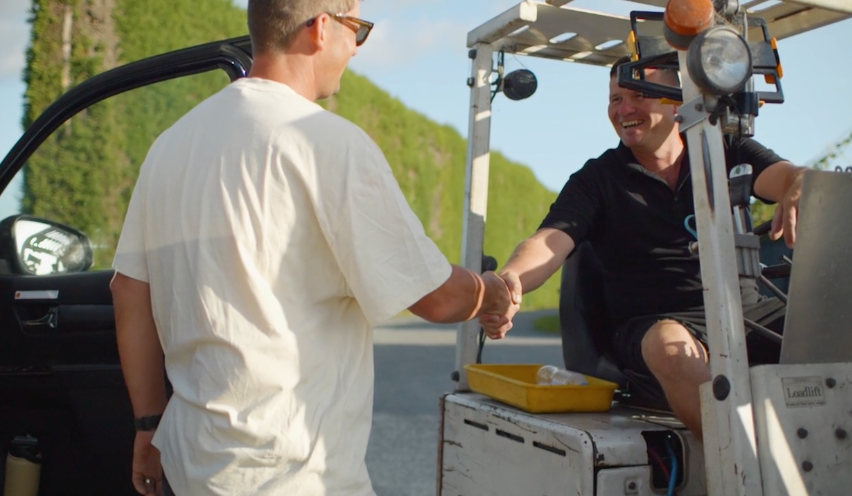
At Mānuka Orchard, we work with landowners and experienced beekeepers to help coordinate these opportunities. Our role is often simple but important: connecting the right partners, ensuring hives are placed in suitable environments, and helping manage the process responsibly.
Pollination plays a fundamental role in farming systems. According to research from Manaaki Whenua - Landcare Research, pollination is considered a key ecosystem service that supports both agricultural production and natural ecosystems. In practical terms, pollination allows plants to reproduce, enabling fruit, seed, and pasture regeneration to occur.
Many crops grown in New Zealand rely on insect pollination to achieve strong yields and high-quality produce. Kiwifruit, apples, avocados, berries, and clover are just some of the agricultural systems that depend on pollinators to function effectively.
At the same time, native vegetation and bush-land play an important role in supporting bee populations.
Research mapping nectar and pollen resources across New Zealand has shown that indigenous forests and native vegetation provide some of the richest food sources for bees, particularly during key seasonal periods.

For landowners, this means that areas of native bush or regenerating land can play a much larger role in the agricultural ecosystem than might first appear.
This is where partnerships matter. Beekeepers rely on suitable landscapes to maintain healthy hives, while farmers and growers rely on pollinators to support crop production and pasture systems. Bringing these two worlds together in a structured way benefits both sides.
At Mānuka Orchard, we regularly work with landowners who are curious about how bees, pollination, and honey production could work on their property. Sometimes the opportunity is obvious. Other times, it simply begins with a conversation about what already exists on the land.
If you're interested in learning more about the science and role of pollination in New Zealand agriculture, you can explore our new Pollination resource pages here → [Pollination & Farming Systems].
And if you’re heading to Fieldays this June, as apart of the FIELDAYS TENT TALKS SERIES, make sure you check out Logan Bowyer speaking on the future of Mānuka. Then come talk to the Mānuka Orchard team, on our stand - C48 - We’ll be there discussing how landowners and beekeepers can work together to support pollination while unlocking new opportunities from rural landscapes.
Comments